
What is Sourcing in Business? Sourcing in business refers to the process of identifying, evaluating, and acquiring goods, materials, or services necessary for operations. It ensures businesses get high-quality products at cost-effective prices, fostering strong supplier relationships. A strategic sourcing approach can lead to cost savings, reliability, and a competitive edge in the market.
What is Sourcing in Business?
At its core, sourcing is the process of finding and acquiring the goods, materials, or services your business needs to operate. Whether you’re sourcing raw materials for manufacturing, products for resale, or services like IT support, the goal is to ensure you’re getting the best quality at the most cost-effective price.
In simpler terms, sourcing is all about finding the right suppliers or vendors to meet your business’s needs. It’s not just about buying—it’s about building strategic relationships that drive your business forward. Understanding sourcing is essential when working with supplier companies in Malaysia, who often provide specialized solutions tailored to your needs.
Why is Sourcing Important?
Imagine this: you’ve launched a great product, but your supplier delivers low-quality materials or misses deadlines. Your customers are upset, and your reputation takes a hit. Sounds like a nightmare, right? That’s why sourcing is so crucial. Here’s what good sourcing does for your business:
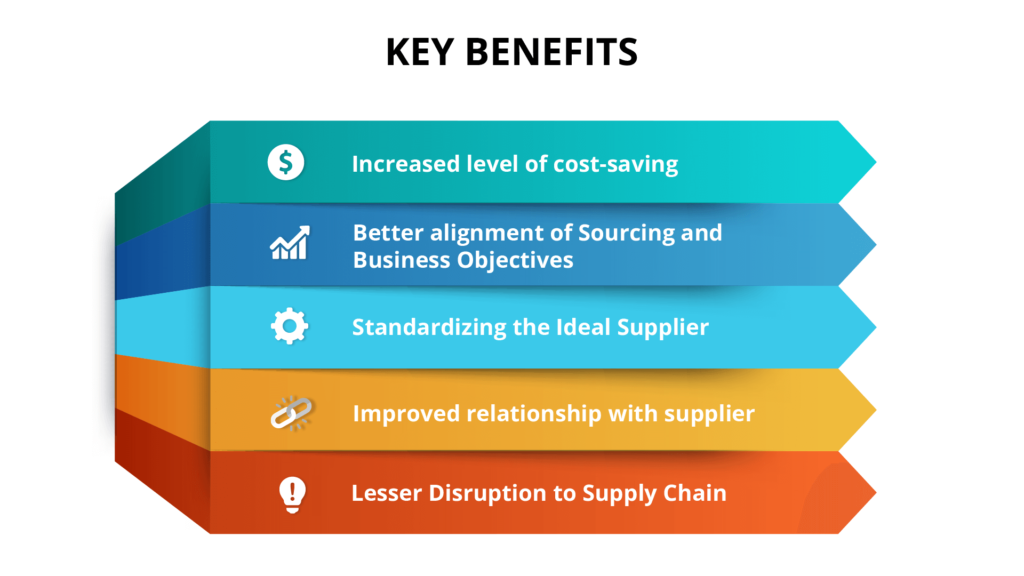
- Cost Savings: Helps you find competitive pricing without compromising quality.
- Quality Assurance: Ensures you get high-quality goods or services that meet your standards.
- Reliability: Builds a supply chain that runs smoothly and efficiently.
- Flexibility: Gives you access to suppliers who can adapt to your changing needs.
- Strategic Advantage: A strong sourcing strategy can give you an edge over competitors.
For more insights on working with suppliers, check out our guide on Supplier Companies in Malaysia. You can also explore sourcing strategies on McKinsey’s Global Sourcing Insights.
Now that you know why sourcing matters, let’s talk about how it works.
The Sourcing Process: Step-by-Step
Sourcing isn’t just about picking the first supplier you find on Google. It’s a detailed process that involves research, negotiation, and relationship-building. Here’s how to do it effectively:
1. Define Your Needs
- Identify what you need to source. Is it a product, raw material, or service?
- Determine the quantity, quality, and budget for your sourcing needs.
- Set clear timelines for when you need the items or services delivered.
2. Research Potential Suppliers
- Look for suppliers who specialize in what you need. Use online directories, trade shows, or referrals to find options.
- Evaluate their reputation by reading reviews, checking ratings, or asking for references.
3. Request Proposals or Quotes
- Reach out to multiple suppliers and ask for detailed proposals or quotes.
- Compare pricing, terms, and delivery timelines to find the best fit.
4. Negotiate Terms
- Don’t just accept the first offer. Negotiate better pricing, payment terms, or added services.
- Ensure the agreement aligns with your budget and business goals.
5. Evaluate and Select Suppliers
- Assess suppliers based on cost, quality, reliability, and their ability to meet deadlines.
- Choose the one that offers the best balance of these factors.
6. Build Long-Term Relationships
- Once you’ve selected a supplier, focus on building a strong partnership.
- Maintain regular communication and conduct periodic performance reviews.
Types of Sourcing in Business
There’s no one-size-fits-all approach to sourcing. Depending on your business, you might use one or more of these types:
- Direct Sourcing: Acquiring materials or products directly from the manufacturer or producer.
- Indirect Sourcing: Procuring services or goods that support operations, like office supplies or IT services.
- Global Sourcing: Finding suppliers from other countries to access better pricing or quality.
- Outsourcing: Delegating specific tasks or services to an external company.
- Single vs. Multiple Sourcing:
- Single sourcing involves working with one supplier, which can simplify operations.
- Multiple sourcing spreads your risk by using several suppliers.
Challenges in Sourcing
Let’s not sugarcoat it—sourcing comes with its fair share of challenges. Here are some common ones and how to overcome them:
- Finding Reliable Suppliers:
- Solution: Conduct thorough research and vet suppliers before signing contracts.
- Balancing Cost and Quality:
- Solution: Focus on total value, not just the lowest price.
- Supply Chain Disruptions:
- Solution: Diversify your suppliers and create contingency plans.
- Communication Barriers:
- Solution: Use clear contracts and maintain regular communication.
Tips for Successful Sourcing
Want to master the art of sourcing? Here are some practical tips:
- Plan Ahead: Start sourcing well before you need the materials or services.
- Leverage Technology: Use procurement software to streamline the process.
- Monitor Performance: Regularly review your suppliers’ performance and address issues promptly.
- Stay Informed: Keep up with market trends to identify new opportunities.
Conclusion: Master Your Sourcing Strategy
Now that you know what sourcing in business is and how it works, it’s time to put this knowledge into action. Whether you’re sourcing raw materials, finished products, or essential services, a solid sourcing strategy can transform your business operations.
Ready to optimize your sourcing? Partner with reliable suppliers like D7 Holdings. Visit d7holdings.biz to learn more about how we can meet your business needs and drive your success. Discover how sourcing in business can unlock your company’s full potential today!
Contact Mr. Jamal now via WhatsApp to start your sourcing journey today! Click here to chat directly with him.